Traveling to China with children can be one of the most rewarding family adventures you'll ever take. Yes, there are challenges, but the wonders - the pandas, the Great Wall, the karst mountains, the high-speed trains, and the friendly people - create memories that last a lifetime.
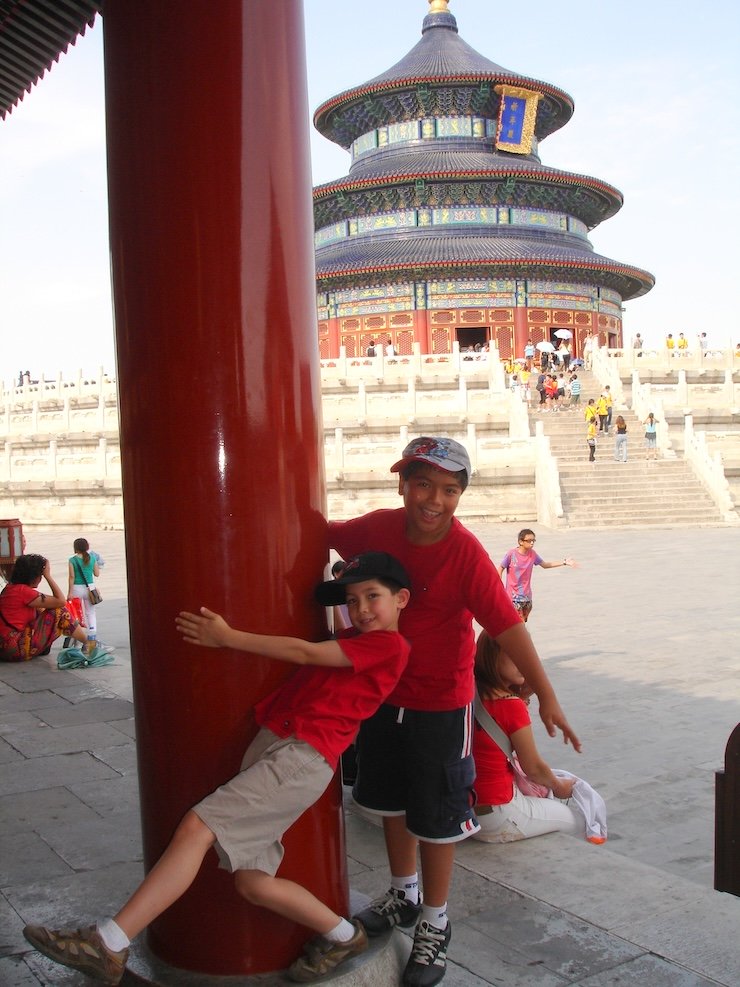
It might seem challenging at first, perhaps the language seems daunting, or the hordes of people everywhere... at all times. However, you will find the people helpful and hospitable, specially if you are traveling with children. Chinese love children, the more the merrier.
But where children are concerned, this isn't precisely a trip to Disneyworld you think, nevermind the long-haul flight, what if they get sick? Is China a safe place? Will the kids like the food? Is pollution really that bad? Will they be bored?... Relax... It is doable! Yes, China is safe. Yes, pollution can be bad in winter. Food? there's always fried rice and noodles! Here are some tips to get you over and back with plenty of priceless memories and with your sanity intact!
We have traveled across China with our son, our nieces and nephews at different ages (from young children to teenagers), and returned many times. Here's our honest, experience-based guide to help you plan a smooth and joyful trip with kids.
Common Worries (and the Reality)
Many parents worry about the same things:
- "Will the language barrier be too difficult with kids?" Reality: Translation apps work remarkably well. Kids often adapt faster than adults. WeChat Translate and other Translate camera functions are lifesavers for menus and signs.
- "What about the food and toilets?" Reality: Food is diverse - you can find milder options everywhere. Toilets are improving rapidly, especially in tourist areas. Many places now have Western-style toilets, and carrying toilet paper, wipes and hand sanitizer helps.
- "Is it safe?" Reality: China is one of the safest countries in the world for tourists. Violent crime is extremely rare. The biggest "dangers" are usually minor things like getting lost in crowds or minor stomach issues.
- "Will the kids get bored or overwhelmed?" Reality: Most children are fascinated by China. The high-speed trains feel like magic, the pandas are unforgettable, and the bright lights of Shanghai and drone shows in Chongqing captivate kids of all ages.
Most Challenging Aspects
Here are the things we found that usually require the most adjustment:
- Pace of Travel — China is big. Resist the urge to see too much. Build in plenty of rest and play time.
- Crowds — Popular sites can be very busy. Chinese holidays are extremely crowded — avoid them if possible.
- Food Adaptation — Unfamiliar flavors and spicy food can be tricky at first. Most restaurants are happy to adjust spice levels.
- Toilets & Hygiene - Squat toilets are still common. Teach kids how to use them before the trip. Public restrooms can be crowded and sometimes lack paper.
- Air Quality — Winter in northern cities can be hazy. Plan spring or autumn trips if your child has respiratory sensitivities.
Where to go in China with the Kids?
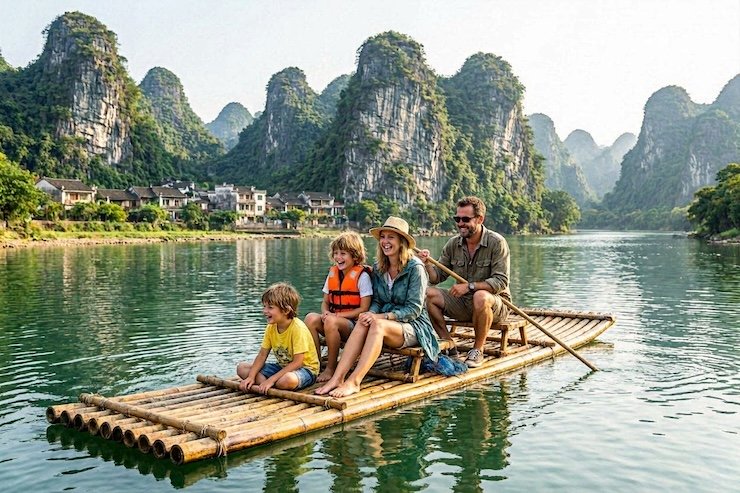
Planning well your itinerary and keeping a light schedule mingled with things the kids will find interesting will win you half the battle.
The challenge is not only in the numerous experiences and places to visit but also in the distances among them. Planning your itinerary is crucial so you don't end up in planes and trains during half of your vacation.
Learn as much about the different places and what they offer and be selective. Beijing is full of historical places, but that doesn't mean the kids should be bored. Try a rickshaw ride through the Hutongs and then a dumpling-making session with a local family, for example.
Will your toddler remember the Great Wall? Probably not, but will definitely have a blast sliding down the toboggan!
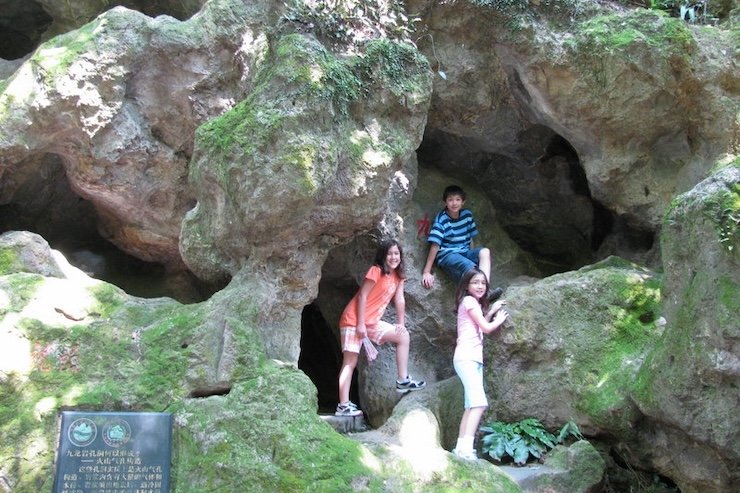
For active families that like the outdoors, try the Zanghjiajie and Guilin/Yangshuo areas or the many National Parks which are full of opportunities for biking, hiking, rafting, ziplining, rock-climbing, and are home to some of China's most spectacular mountain scenery.
If cuddly pandas are your thing, then head to Chengdu in Sichuan province.
Shanghai, Guangzhou, Shenzhen and Chongqing are tops for teens and young adults where they can experience self-driving cars, food delivered by drones, ultra-modern architecture and futuristic drone shows...
And anywhere you go, don't forget the markets! Children of any age loooove markets!
Know When to Go: Avoid Traveling during Major Chinese Holidays
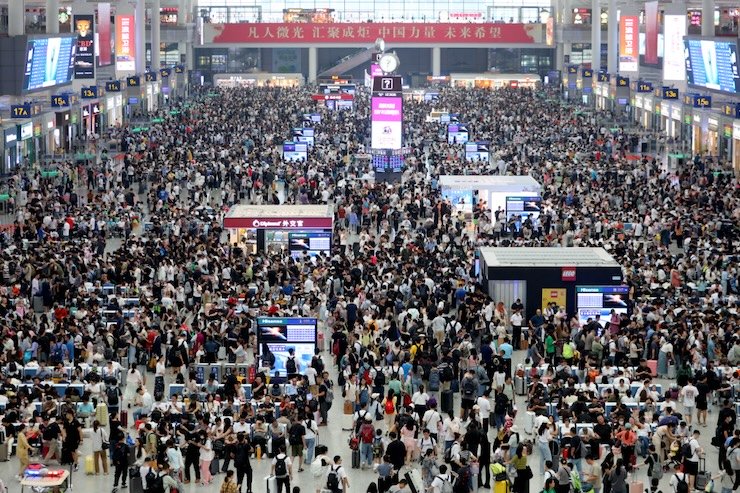
Chinese people love to travel and visit relatives during their holidays. At these times, all means of transportation and main visitor attractions are jammed packed with crowds and so it is better to avoid traveling during these periods.
Notice I say avoid traveling during these periods, not avoid being in China during these periods! Being in China during one of the major festivals is really a treat, Chinese Festivals are colorful and full of life, a wonderful way to get a sense of this wonderful culture.
If you can plan to be there during one of the major Chinese festivals, it would definitely add to your experience and something the kids will remember and treasure for years to come. You just don't want to be caught in transit during these periods, and much less, looking for accomodation. Planning ahead is a must during festival time.
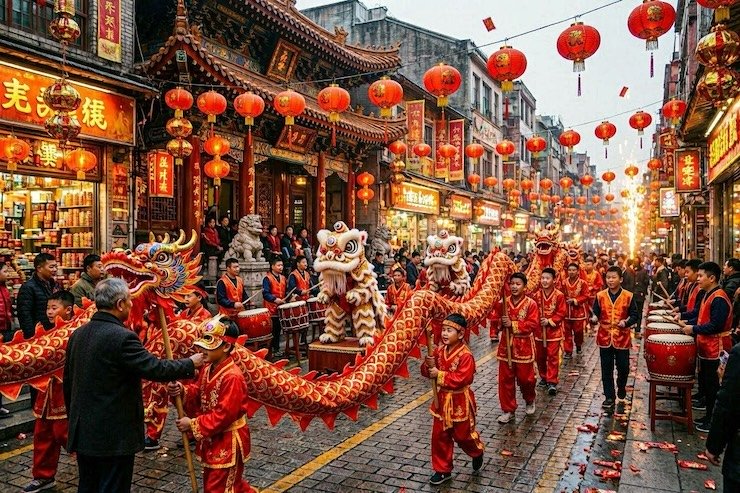
The main Chinese Holidays are Chinese New Year or the Spring Festival in January or February (based on the Lunar calendar), the May Golden Week holidays in early May, and Chinese National Day Golden Week starting on October 1st.
Here's the annual Chinese Holiday schedule.
Food Strategies
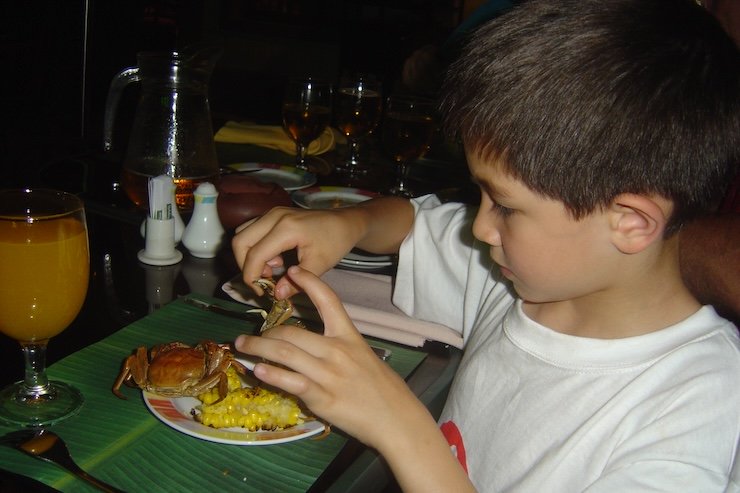
- One thing parents with picky eaters worry about is having to stick with a McDonald's diet while in China, but even for the fussiest of kids, you will always find fried noodles, rice and dumplings in the menu which kids always enjoy.
- For kids, food can be very fun experiences: try a hot pot where everybody cooks their own food, the seafood restaurants where you pick out your meal from the tanks (ok this might not be for everyone), dim sum is a must in Guangzhou and Hong Kong, Peking Duck of course in Beijing...
- Download translation apps and learn key phrases like "bú là" (not spicy).
- Supermarkets have familiar items (yogurt, bread, fruit).
- Practice how to eat with chopsticks, preferably before you leave home! Chopsticks will be the norm at regular restaurants, some might have forks and knives if you ask for them, mainly in the big cities. Here is our guide to learning how to eat with chopsticks
The Dreaded Squat Toilet - Chinese Toilet Tips
Chances are you will be faced with one of those squat toilets at least once during your travels once you venture outside the five-star and luxury hotel realm.
For kids, if totally unexpected, it could be quite upsetting, specially for girls. So best thing is to be prepared and remember, the kids will be watching you. If you act like this is the most normal thing, they won't fuss as much.
- Always carry toilet paper or tissues with you. The lack of it seems to be the rule rather than the exception in China.
- Practice before at home to master the squat position: lower yourself with both feet firmly planted as far down as you can go, try to maintain your balance...
Here are some more "Toilet Training" tips that will come handy.
Air Quality and Pollution
Air quality is one of the most common concerns for people planning a trip to China. The good news is that China has made major improvements in the last few years, especially in the big tourist cities. Many first-time visitors are pleasantly surprised by how much cleaner the air is compared to what they expected from older reports. However, pollution can still be an issue at certain times of the year.
If traveling with children, be mindful of the effects the poor air quality might cause. Smaller children might seem fussier than usual or very tired and lethargic.
- The first couple of days might be a bit challenging, specially if you might also be dealing with jet lag and the effects of the time difference.
- Try to keep a slower pace and stay hydrated.
- Best is to avoid Winter (Nov–Mar) which is the most challenging period in northern cities (Beijing, Xi’an, etc.).
Here are some tips for dealing with Pollution in China
More Helpful Tips for Traveling with Children in China
Flights & Jet Lag
- Direct or 1-stop flights are worth the extra cost.
- Give kids melatonin or follow a gradual jet lag plan.
- Pack snacks, entertainment, and a change of clothes in carry-on.
High-Speed Trains
- Kids love them! The smooth ride and big windows are a highlight. Plus the added sense of excitement "We're going 300km/h!!!"
- Book seats together and bring small snacks. "Family seats" (facing each other with a table) are ideal if available
- Pack snacks, entertainment, and a change of clothes in carry-on.
Accommodation
- Choose hotels with family rooms or connecting rooms.
- Many mid-range hotels offer excellent value and are very family-friendly.
- Request non-smoking rooms in advance.
- Book a hotel with a pool if possible, excellent for when children need downtime.
Daily Life Tips
- Chinese people are generally very kind to children. Your kids may receive extra attention (and sometimes snacks!).
- Teach basic manners — saying “xièxie” (thank you) goes a long way.
- Teach kids your hotel name and how to show a taxi driver the address in Chinese.
- Carry tissues, wet wipes, and hand sanitizer everywhere.
- Remind children they can not drink the tap water.
Age-Specific Tips
Traveling with Toddlers (Ages 2–5)
Toddlers can do very well in China, but they need extra planning:
- Pacing is everything — Keep days short with plenty of hotel downtime or park time.
- Toilets: Many public restrooms lack changing tables.
- Food: Stick to plain rice, noodles, dumplings, and fruit. Bring snacks from home (familiar cereals, pouches, etc.).
- Strollers: Bring a lightweight collapsible stroller. Metro systems are stroller-friendly but crowded.
- Sleep: Jet lag can be tough. Request cribs in advance (availability varies).
- Best Activities: Pandas in Chengdu, boat rides in Guilin, and parks in Beijing/Shanghai.
Pro Tip: Toddlers often receive a lot of positive attention from locals, which can be heartwarming but also tiring.
Traveling with Young Children (Ages 6–12)
This is often the sweet spot age group for China travel:
- Kids this age are fascinated by the Great Wall, Terracotta Warriors, street markets and high-speed trains.
- They can bike on Xi’an’s city wall and enjoy bamboo rafting in Yangshuo.
- Translation apps make communication easier — many enjoy “helping” with ordering food.
- Shanghai Disneyland is a huge hit.
- Give them small responsibilities (e.g., scanning Didi QR codes or helping choose food).
Challenge: They may get overwhelmed in very crowded places. Build in rest days.
Traveling with Teens (Ages 13–18)
Teens often love China for completely different reasons:
- The futuristic cities (Shanghai, Chongqing, Shenzhen) and high-tech vibe really impress them.
- They enjoy the independence of using Didi, metro, and apps.
- Photography opportunities are endless (especially in Zhangjiajie and Guilin).
- Food adventures (hotpot, street food) become more exciting.
- They can handle longer travel days better.
Pro Tip: Give teens some control over the itinerary (e.g., let them choose one activity per city). They’ll be more engaged.
Final Thoughts from Our Family
Traveling with children in China is easier than most people expect. The infrastructure is excellent, people are welcoming to kids, and the country offers experiences you simply can't get anywhere else.
Yes, there will be moments of frustration - that's normal with any international trip with kids. But the wonder in their eyes when they see the Great Wall, raft among endless mountains, or ride a high-speed train at 300 km/h makes it all worthwhile.
Start planning with a realistic itinerary, good travel insurance, and patience. You've got this!
Practical Information for Your Trip to China




Most Popular Excursions
Book with confidence! Free cancellation: Cancel up to 24 hours in advance to receive a full refund