China is generally a very safe country for tourists, especially in major cities. Millions of international visitors travel here every year without major issues. With some basic preparation, you can have a smooth and worry-free trip.
In this section we cover basic safety and health concerns when traveling to China and the precautions you should take to make sure your trip is a healthy and enjoyable one.
There is nothing worst than getting sick during a trip or having to cut the trip short because of an illness. Here are some simple precautions that can help you and the kids stay healthy during your trip to China:
Please note that the articles and information on this site are for the purpose of providing general information, and do not take the place of, or constitute professional, medical, or legal advice on any subject matter. You are responsible for deciding how to use any information you read on this site, and for seeking further professional advice as you see fit.
Can you drink the tap water in China?
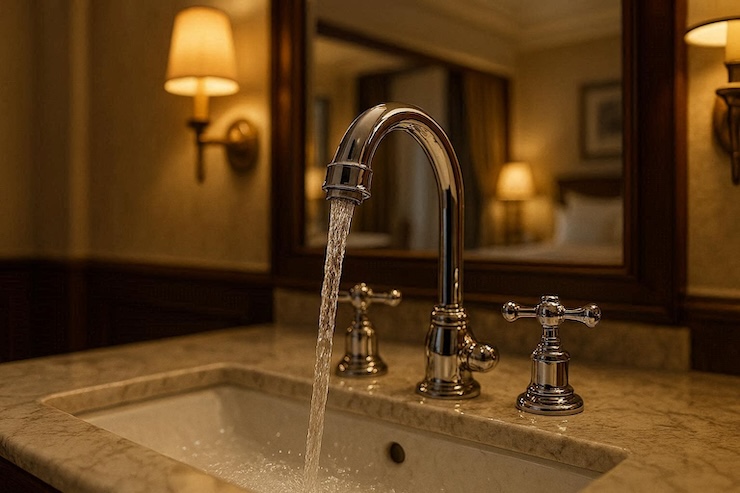
No, tap water is not safe in China. Even in the big cities like Beijing, the water itself might be free of contaminants but the plumbing in the city is old and therefore drinking the tap water is not safe, or using tap water for brushing your teeth.
Most hotels will provide bottled water or a kettle to boil water. Even the smallest of the small guesthouse will have a kettle for you or a thermos with boiled water, use it!
You should use boiled or bottled water for brushing your teeth, make sure you remind the kids!
Fruits washed with tap water should be peeled just to be on the safe side.
Ice cubes are also not safe since they could have been made with tap water. Unless you are at a reputable establishment with Western standards, I would stay away from ice cubes and stick with chilled bottled/canned drinks.
Bottled water is available everywhere, make sure the water bottles are sealed. There have been cases of unscrupulous vendors re-filling the bottles with tap water and selling them to unsuspecting tourists.
Also remind kids not to fill their water bottles with tap water, since they might be used to doing that at home.

Food Safety
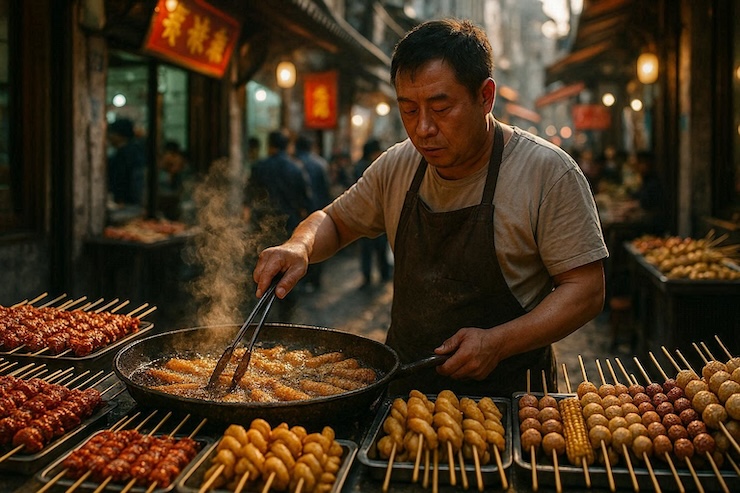
All travel involves some risk of getting some sort of stomach ailment, and in fact this is the most common complaint of the tourist and can happen anywhere in the world even in the most plosh of restaurants/hotels, so eating in the "sanitized" tourist places might not necessarily save you from this common malady.
Chinese street food is one of the highlights of travel here, and it's usually safe if you follow a few simple rules:
- Try eating at places that are well-frequented, chances are, the food is fresh if the turnover is high
- As a general rule piping hot and steaming food is safe
- Fuits should be peeled right before eating
- Avoid food from buffets that has been sitting for too long and is only luke warm
- Rice and noodles are safe if cooked and steaming hot
- Avoid raw or undercooked meat and seafood
- And as previously mentioned, water, sodas, beer, etc, are safe from sealed containers.
Air Quality & Pollution
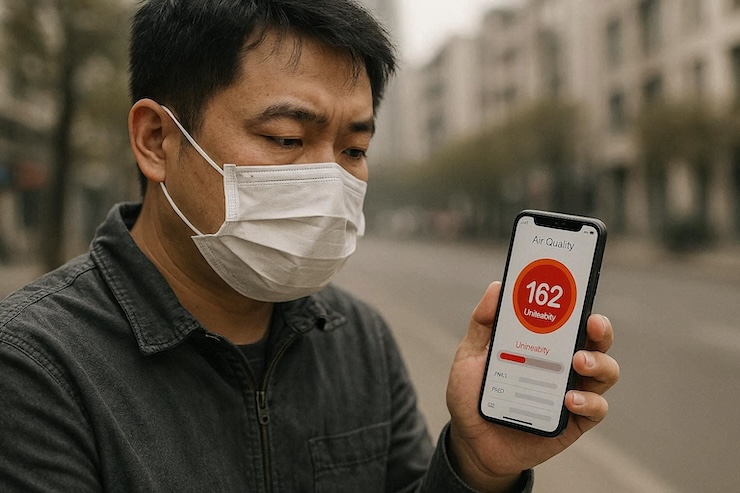
Even though China has made significant improvements in air quality over the past years, air pollution remains a reality in some parts of China, especially in northern cities during winter.
- Download a reliable AQI (Air Quality Index) app (e.g., AirVisual or IQAir).
- In winter, Beijing and some northern cities can have poor air days.
- Wear a good N95/KN95 mask on high-pollution days.
- Travelers with asthma or respiratory issues should plan trips outside winter if possible.
During our early trips to China, air pollution was a real issue due to the fast pace of modernization undertaken in the country. You noticed the heavy smog as soon as you got off the plane. Clear blue skies were nonexistent. I could not even wear my contact lenses. Much has changed and improved. During our recent travels, air quality and pollution has not been an issue for us.
Here is more on Pollution in China, AQI levels and tips for dealing with "bad air".
Personal, Traffic Safety and Common Scams
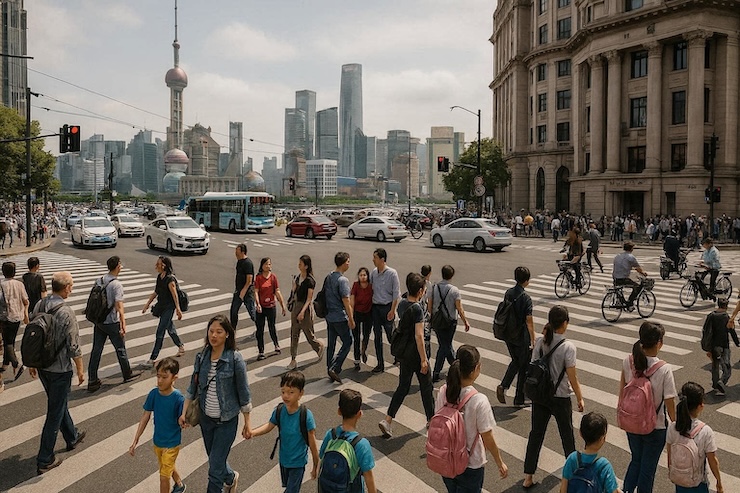
China is not a dangerous place in terms of crime and personal safety. We never felt threatened in any way. Traffic, however, can feel chaotic and overwhelming to newcomers and specially if you are traveling with kids.
- Crossing an intersection can become an adventure. Although traffic lights are well-respected, always look both ways before crossing.
- Use pedestrian overpasses or underground crossings when available.
- The crowds can be hard to cope, specially during peak holiday season.
- If traveling with children, take precautions in case you get separated. Make sure they have the hotel card with address in English and Chinese and coach the kid on what to say and do if this ever happens, i.e. go to the nearest shop assistant or official-looking person and point at the info.
- You will also find that the idea of personal space is quite different in China than what you might be used to at home. People tend to get much closer to you, almost what to a Westerner might seem "on your face", this is normal here, they don't mean any disrespect and shouldn't be taken as something threatening. Simply back away a bit.
Kids garner a lot of attention, if they look a bit different and specially if you travel away from the bigger cities, get ready to be photographed, pinched, ohhed and ahhed... If this is not to your or your kids liking, (it might get to be too much after a while) smile and signal them to stop whatever is making you uncomfortable. - China is one of the safest countries in the world for tourists regarding violent crime. Main risks are petty scams: tea house scams, fake art sellers, and overcharging taxis.
- Use Didi (China's Uber) instead of street taxis when possible.
- Women generally feel safe walking alone, even at night in big cities.
Medical Care & Pharmacies
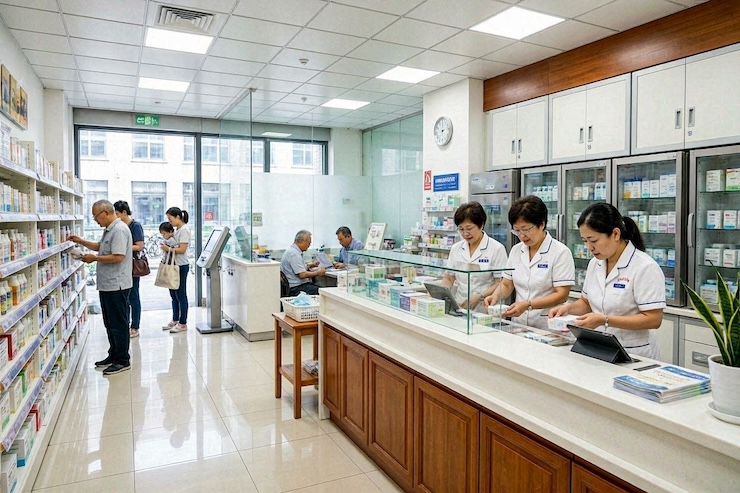
- Major cities (Beijing, Shanghai, Guangzhou, Chengdu, Shenzhen) have excellent modern hospitals with international clinics and English-speaking doctors (e.g., United Family Healthcare, Parkway).
- Pharmacies are everywhere and well-stocked. Bring a photo or translation of any prescription medicines you need.
- Bring a basic first-aid kit with band-aids, motion sickness tablets, antidiarrheal medicine, and any personal prescriptions.
- Rural areas have lower standards of medical care - this is one reason good travel insurance is important.
Emergency Numbers
Save these in your phone:
- 110 – Police
- 120 – Ambulance / Medical Emergency
- 119 – Fire
- 12308 – Consular Protection Hotline for Foreigners
Other Health Considerations
- Altitude: Take it easy in Tibet, Lijiang, or Shangri-La (above 3,000m). Allow time to acclimatize.
- Sun Protection: Strong UV radiation at high altitudes and in western China.
- Heat & Humidity: Very high in southern China during summer.
Final Advice
- With basic precautions, most families have a safe and healthy trip to China. The biggest risks are usually minor stomach issues or air quality — both manageable.
- Strongly Recommended: Get comprehensive travel insurance before your trip.
Practical Information for Your Trip to China




Most Popular Excursions
Book with confidence! Free cancellation: Cancel up to 24 hours in advance to receive a full refund